Showing posts with label ROI of UX. Show all posts

Saturday, 17 February 2024

Best platforms to measure UX metrics

Best UX Metrics platforms

UX metrics are measurements used to evaluate the user experience (UX) of a product or service. These metrics are used to assess the effectiveness of UX design, identify areas for improvement, and track progress over time. UX metrics can help businesses and designers make informed decisions based on user behavior, preferences, and needs. UX metrics can vary depending on the goals of a specific product or service, but some common metrics include task success rate, time on task, error rate, user satisfaction, Net Promoter Score (NPS), conversion rate, and engagement. These metrics provide insight into how users interact with a product or service, and can help designers identify issues and make improvements to the user experience. Ultimately, the goal of using UX metrics is to create a product or service that is user-friendly, efficient, and enjoyable to use.


Interaction Design Foundation UX Design course  offer


There are several applications and tools available to measure UX metrics. Here are some popular ones:


Google Analytics

  1. Google Analytics: This is a free tool that provides a wide range of metrics related to user behavior on websites, such as page views, bounce rate, time on page, and conversion rate.

    Hotjar

  2. Hotjar: This is a suite of tools that includes heatmaps, session recordings, surveys, and feedback polls to measure user engagement and behavior on websites.

    Mixpanel

  3. Mixpanel: This is an analytics tool that offers real-time user tracking, funnels, and cohort analysis to help businesses understand how users engage with their products.

    Don Norman UX Course

    UserTesting

  4. UserTesting: This is a tool that allows businesses to conduct user testing and get feedback on their products from real users.

    UsabilityHub

  5. UsabilityHub: This is a tool that offers various tests, such as first-click tests, five-second tests, and preference tests, to measure user behavior and preferences.

    Optimizely

  6. Optimizely: This is an experimentation platform that allows businesses to test and optimize their websites and mobile apps to improve the user experience.

    Qualtrics

  7. Qualtrics: This is a research platform that offers various tools, such as surveys, online focus groups, and user testing, to measure and improve the user experience.


Learn more on UX Metrics:


Interaction Design Foundation UX Design course  offer

Share:
Continue Reading →

Saturday, 3 June 2023

Measuring the product adoption in UX


Measuring the product adoption in UX

UX metrics are measurements used to evaluate the user experience (UX) of a product or service. These metrics are used to assess the effectiveness of UX design, identify areas for improvement, and track progress over time. UX metrics can help businesses and designers make informed decisions based on user behavior, preferences, and needs. 

Product adoption is one of the most important business goals. If your product is adopted, you create a customer base and gain a position within the market. Product adoption marks the transition between the product being unknown and foreign to becoming used and welcomed by the users. (Ref)


Interaction Design Foundation UX Design course  offer


Product adoption, aka user adoption, consists of the “AHA moment” when users start using your product or site for what you built it to do. Product adoption can also be expressed as the percentage of first-time users performing a certain set of behaviors. Your mission is to identify these behaviors! What actions do people take that prove they’re getting value? (Ref)


UX Metrics to measure Product Adoption

  1. User retention rate: This measures the percentage of users who continue to use a product or service over a period of time. This can help identify if the product or service is meeting user needs and expectations.

  2. Activation rate: This measures the percentage of users who have completed the initial onboarding process and have started using the product or service.

    Don Norman UX Course

  3. Time to first key action: This measures the time it takes for a user to perform a key action, such as creating an account or making a purchase, after signing up for a product or service.

  4. Frequency of use: This measures how often users are using a product or service. This can help identify if the product or service is meeting the needs of users on an ongoing basis.

  5. Customer lifetime value: This measures the total revenue generated by a user over their lifetime as a customer. This can help identify if the product or service is providing long-term value to users.

  6. User engagement: This measures how actively users are interacting with a product or service. This can help identify if the product or service is providing a compelling user experience that encourages ongoing usage.

  7. Referral rate: This measures the percentage of users who refer others to a product or service. This can help identify if users find the product or service valuable enough to recommend to others.


Measuring adoption is an important aspect of measuring the success of a user experience (UX) design.


Read more about UX Metrics:


Interaction Design Foundation UX Design course  offer


UXNESS learn UX design UX research UXUI


Share:
Continue Reading →

Saturday, 6 May 2023

7 UX metrics to measure the User Experience

UX Metrics

UX metrics

UX metrics are measurements used to evaluate the user experience (UX) of a product or service. These metrics are used to assess the effectiveness of UX design, identify areas for improvement, and track progress over time. UX metrics can help businesses and designers make informed decisions based on user behavior, preferences, and needs. UX metrics can vary depending on the goals of a specific product or service, but some common metrics include task success rate, time on task, error rate, user satisfaction, Net Promoter Score (NPS), conversion rate, and engagement.

These metrics provide insight into how users interact with a product or service, and can help designers identify issues and make improvements to the user experience. Ultimately, the goal of using UX metrics is to create a product or service that is user-friendly, efficient, and enjoyable to use.

User experience is important; we know that as UX professionals but how do we communicate the benefits to the people who pay for our services? The easiest way is to develop metrics that can provide indications that our work is offering benefits to the organization we work for.  
- Article: The ROI of UX (Interaction Design Foundation)


Interaction Design Foundation UX Design course  offer


7 common used UX metrics:


  1. Task success rate: This metric measures the percentage of users who are able to successfully complete a task or set of tasks within a specific amount of time.

  2. Time on task: This metric measures the amount of time it takes for users to complete a specific task. It can provide insight into how difficult or intuitive the task is.

  3. Error rate: This metric measures the number of errors that users make while completing a task. It can indicate how well the design accommodates user behavior and expectations.

    Don Norman UX Course

  4. User satisfaction: This metric measures the level of satisfaction users have with the overall design and functionality of a product or website.

  5. Net Promoter Score (NPS): This metric measures the likelihood that users will recommend a product or website to others. It can be an indicator of overall customer loyalty.

  6. Conversion rate: This metric measures the percentage of users who take a desired action, such as making a purchase or filling out a form. It can indicate how well the design supports the user's goals.

  7. Engagement: This metric measures the level of engagement users have with a product or website, such as the number of pages viewed or the time spent on the site. It can be an indicator of the overall user experience.


Interaction Design Foundation UX Design course  offer
Share:
Continue Reading →

Friday, 21 January 2022

How Design Will Impact Companies in 2022 and Beyond

Impact of UX design 2022

The pandemic and changes to the nature of work continue to affect every industry, including the design world. The unpredictable business climate is forcing companies to look not only at how they interact with customers, but also with employees, partners, and other stakeholders. Businesses across the spectrum are turning to design to assess the new reality, pinpoint ways to work effectively, and prepare for a still-uncertain future. Based on my work with clients and partners through 2021, here are some thoughts on where the design industry stands in 2022 and what it will look like going forward:


  • Organizations that are still trying to pin down an exact ROI for design are wasting time. No one has cracked the code for a simple equation to show what the return is on investing in design, whether that’s design strategy, experience design, or aesthetics. At this point, it’s clear that thoughtful design is a key element to being competitive in today’s world. Most businesses have embraced design as an essential business tool, and they have either integrated a design team into their business processes, or established relationships with design consultants. Any person in company leadership that is still asking for easily quantifiable proof of the value of design is wasting time and losing ground to competitors.


  • Developing AI tools requires a human-centered approach that isn’t there right now. Looking at trends for almost any industry you are likely to see predictions that AI will be further integrated in to that industry. However, design and implementation of AI applications are lacking a human-centered approach, and that is hampering success. AI applications designed without considering the people they will impact will be less effective and alienate customers who don’t feel like their needs are a priority.


Interaction Design Foundation IDF  Free Membership Offer


  • Service design will have an impact in industries where it hasn’t been used before. During the pandemic, retail stores and restaurants had to change on a time to try to serve customers in a new way. Restaurants had to rethink their processes from serving customers in the dining room to taking orders online/by phone, cooking and packaging meals, collecting payment and delivering the food with minimal contact. As these industries move forward, service design can help them figure out what the future of serving their customers looks like. What systems and processes from the pandemic should stay, what pre-pandemic processes will return, and what kind of new hybrid systems should be put in place? Service design can help industries that traditionally haven’t used it to plan for a future where they can efficiently serve customers.


  • Companies need to radically re-think how they engage the human beings who deliver goods/services to their customers. The job market is mobile and volatile, and companies are scrambling to find good people and to keep them. How do you solve for both the changing nature of employment and employee experience? Beyond making things better through increased pay and benefits, companies must rethink the role of employees and support them in new and different ways. Employees aren’t just extensions of a company’s brand anymore. They are players in the business ecosystem. 


  • Digital therapeutics will continue to be a hot trend, and could spur interesting partnerships. Right now, it is mostly pharma companies that are investing in digital therapeutics and navigating the complicated process required to create, test and get approval for this kind of solution. Successful digital therapeutics must be designed by people who both know how to create clinical-level solutions and also know how to design good digital experiences for humans. This could lead to interesting partnerships within the healthcare, design, and tech industries to deliver solutions that can pass regulatory muster and will also be embraced by patients because they are effective and easy to use.


  • Companies are integrating behavior science in their business, but not all of them are doing it right. Companies are recognizing the value of behavior science in designing and developing products and solutions, and many companies are bringing in people with expertise in behavior change. Some companies will hire a couple of behavioral scientists or create a behavior change group that works in its own silo. That’s not likely to be effective. The companies that integrate behavioral science across all parts of the Organization are the ones that will reap the greatest benefits. Behavior change thinking needs to be integrated across teams and processes to truly have an impact.
  •  

    Design is having an effect on nearly every industry, in one way or another, and the role of design in business will continue to expand in 2022. Service design, user experience, behavior change, employee experience, and many other kinds of design will play a role in success and continue to influence how companies connect with stakeholders moving forward. 


About author


Jennifer Briselli - Chief Design Strategy Officer

Jennifer Briselli
Chief Design Strategy Officer, Mad*Pow

Jen's a lifelong learner with an insatiable curiosity and deep passion for science, education, and empowering people through design. Her design philosophy is less about solving people's problems for them, and more about building the tools, environments, and circumstances that enable people to improve their own lives. At Mad*Pow, she does just that, leading the delivery practices as the Chief Design Strategy Officer.
LinkedIn       Email 


Share:
Continue Reading →

Tuesday, 4 January 2022

Do You Make These Common UX Design Mistakes?


Good UX Design


If you think a good UX design does not impact your bottom line, the following statistics will make you think again:

- Profitable: Every $1 invested in UX results provides a return of $100--or a whopping ROI of 9900%. [reference]

- Better conversion: According to a study by Forrester Research, a better UX design can yield conversion rates up to 400%. [reference]


Clearly, a good UX design is the key to unlocking greater profits and boosting user satisfaction. In this blog, we will look at the most common mistakes to avoid and how to overcome them with useful hacks, strategies, and tips. Let's jump right in.


Top-5 Mistakes to Avoid During UX Design

Mistake 1: Focusing on aesthetics over functionality or vice-versa


Most websites are either too functional or too creative in their design approach. Leaning intensely on one aspect can create a low-impact design. To make things crystal-clear, let's look at a real-life example.


Here's an example of a website that's functionally sound--it has all the essential information at the top, but the design is vanilla, or simply it lacks creativity:


Focusing on aesthetics over functionality


On the other side of the spectrum, here's a website that is creative yet functional--owing to engaging animations, interactive elements, and highly visible Call-to-Action buttons that literally guide visitors throughout the browsing experience:
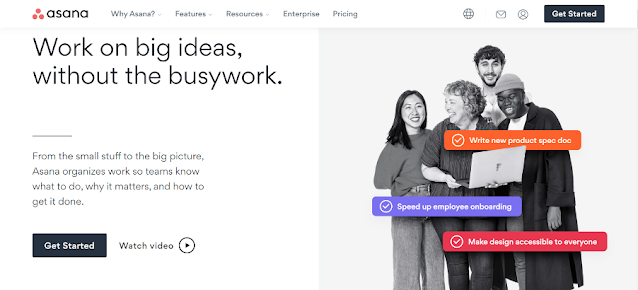

Good Call to Action example


How to solve it: By creating the right balance between both

When designing the user experience, it is important to balance both these elements. You can do so by answering the following key questions:

  • Are the graphic elements adding value and meaning to your overall design?
  • Is the UX design useful, purposeful, and functional for the end-user
  • Will your target audience find it appealing?


For inspiration, take a look at Acme's minimalistic website design that is aesthetically pleasing without losing out on functionality and user-friendliness:


Minimalist design


Mistake 2: Focusing too much on designing solely for achieving the business goals 


Another problem area that most brands struggle with is not understanding the primary goals of the design--who is the design aimed at, and what is its primary goal? For instance, do you want to prioritize costs over customer usability? Do you wish to complete the design within a set timeframe even if the design feels incomplete?

Often, companies end up focusing way too much on achieving the business goals (owing to a shoestring budget, strict timelines, etc.) as opposed to understanding how they can delight the customers through their design--a big mistake.


How to solve it: By embracing a user-centric design thinking methodology

At the heart of a great design lies the ability to problem-solve your customer's issues and concerns. Instead of focusing on simply achieving the ‘business goals,' brands should ensure that their design:


A. Solves the user's pain points/problems

B. Delights the customers


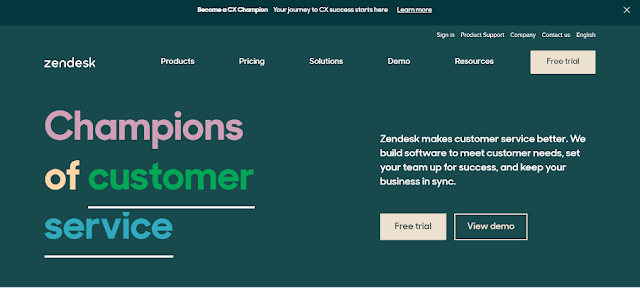
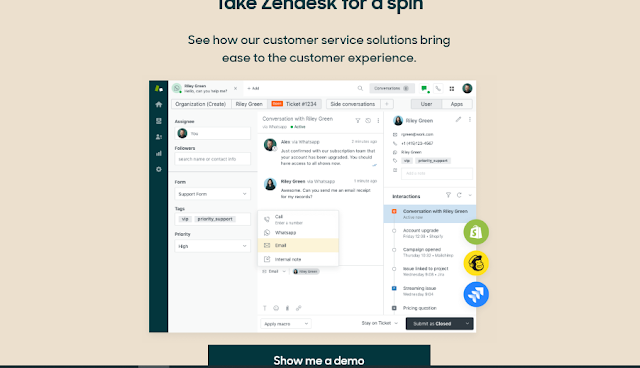
One outstanding example of UX design that literally embraces a user-centric design methodology and simultaneously solves user issues is Zendesk:


Good UX Design examples

The website focuses on providing great customer support right from the very beginning. Customers can sign up for a free trial, view the demo, and even chat with a live agent--all at the click of a button. Even the pop-up content is wired to the customer's needs and wants:

Good UX Design Pop up examples


Long story short, brands should not compromise on the usefulness aspect of the user design--even if the business goals (think: cost, deadline, etc.) are not being immediately met.


Mistake 3: Falling in love with the designs

This one's hard to ignore. Oftentimes, teams get too caught up with a certain design because they're unable to be objective about it. In other words, they might be biased towards the design itself--at the cost of functionality, practicality, and other core aspects of user designing. 


Take a look at the following website design where the page scrolls 'horizontally' instead of vertically:


Horizontal page scroll design example


While there is nothing wrong with this, the design feels counter-intuitive, considering most people are used to the 'vertical' format of page scrolls. Plus, while some people may think that this website is informative, it can feel a bit cluttered due to 'information overload.' Instead of getting stuck on the design principles--despite the glaring errors--designing teams and the management should embrace a more flexible approach and be ready to pivot as needed. 

How to solve it: By being objective about what's right for the user and the business 

Maintaining objectivity in UX design is a hard nut to crack but an important asset--the leadership and the team at large should always keep an eye on the 'big picture' while ensuring that the design actually solves the user's issues and helps achieve business outcomes, all at the same time.


Mistake 4: Integrating any and every type of UX design trend

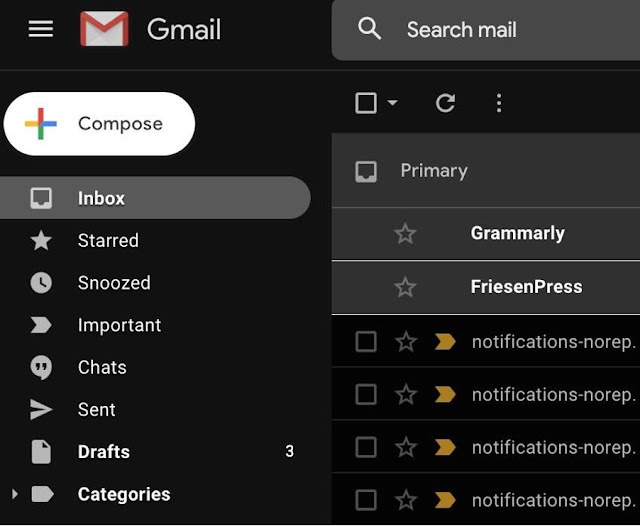
Every year, a set of unique UX trends create a buzz. For example, in 2019, the 'dark theme' created ripples in the designing circles. However, these trends may not always map out. Take a look at Google Desktop's dark mode, which creates issues relating to legibility and readability:

Visual design issue legibility and readability


Clearly, while the dark mode may work for some brands, it does not work for all. The point we're driving home is this: Design trends come and go. Instead of getting caught up in integrating every single trend, it is important that you do not blindly embrace the trends to 'follow the herd.

How to solve it: By engaging in strategic design thinking that's aligned with business and customer goals


When designing, it is critical to keep analyzing your Key Performance Indicators to ensure that your design is rooted in strategy, business goals, and customer-centricity. So make sure to do your research, sit with the team, and prfioritize the key trends you want to integrate to boost the website's performance and efficacy instead of taking away from it. 


Mistake 5: Undermining the power of user research and/or user testing through each phase


Finally, brands do not put in enough effort to collect data with respect to user research and interface testing throughout the designing process. Without real-time data at hand, brands are at a decided disadvantage as they won't be able to uncover what's working for the design and what's not.


How to solve it: By testing and researching rigorously at every stage of the designing process

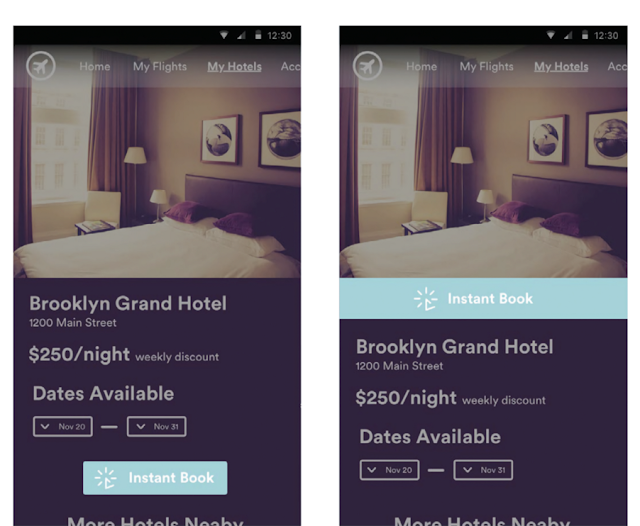
When creating a design, you need to constantly collect data and measure for quality and effectiveness across the design versions. Here's an example of A/B testing a mobile app design for button placement and color: 

A/B testing options examples


You can leverage Google’s Optimize platform to A/B test your designs and make changes accordingly. The end goal is to gain invaluable insights into user needs, preferences, etc., and create in-depth personas that can be mapped to your overall design strategy.


Interaction Design Foundation IDF  Free Membership Offer

The Takeaway

Powerful UX design is more than using the right colors, font, and formatting. If your design does not solve your customer's problems and is only 'nice to look at,' your conversion rates will falter. In other words, think of UX as more of a strategic business tool rather than implementing a 'lipstick-on-the-pig' approach--one where you're only making cosmetic changes to the overall design in an effort to disguise its fundamental failings. If you're second-guessing the impact generated through thoughtful UX implemented well, know that solving the right problems with UX can lead to:

  • higher adoption rates and higher sales

  • minimized human error and reduced redevelopment costs

  • increased trust and customer lifetime value

  • serve as a competitive advantage for the business and help bring new customers to the door


All in all, steer clear of the five mistakes outlined above to start with and create a winning design that converts users and appeals to their aesthetic sensibilities.

Think we've missed out on any errors that you may have come across? Comment below. We're all ears.


About author:


YUJ Designs


YUJ Designs

We are a global UX Design Studio delivering valuable experiences for humans that impact businesses. 


Website: www.yujdesigns.com

LinkedIn: https://www.linkedin.com/company/yuj-designs 


DISCLOSURE: This post may contain affiliate links, meaning when you click the links and make a purchase, we receive a commission.

Share:
Continue Reading →